
Our Approach
Capacity strengthening is integrated across SALURBAL and embedded in the way we conduct research and collaborate as a network. Our approach is grounded in regional leadership, interdisciplinarity, mentorship, and collaboration.
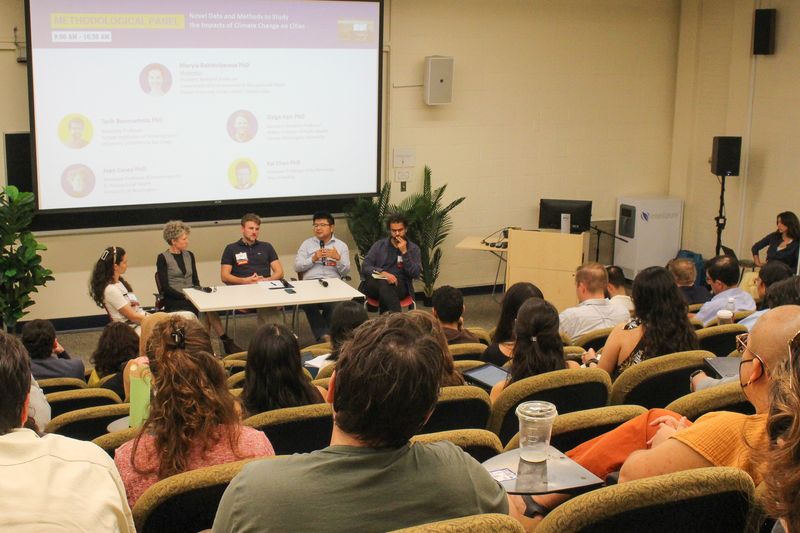
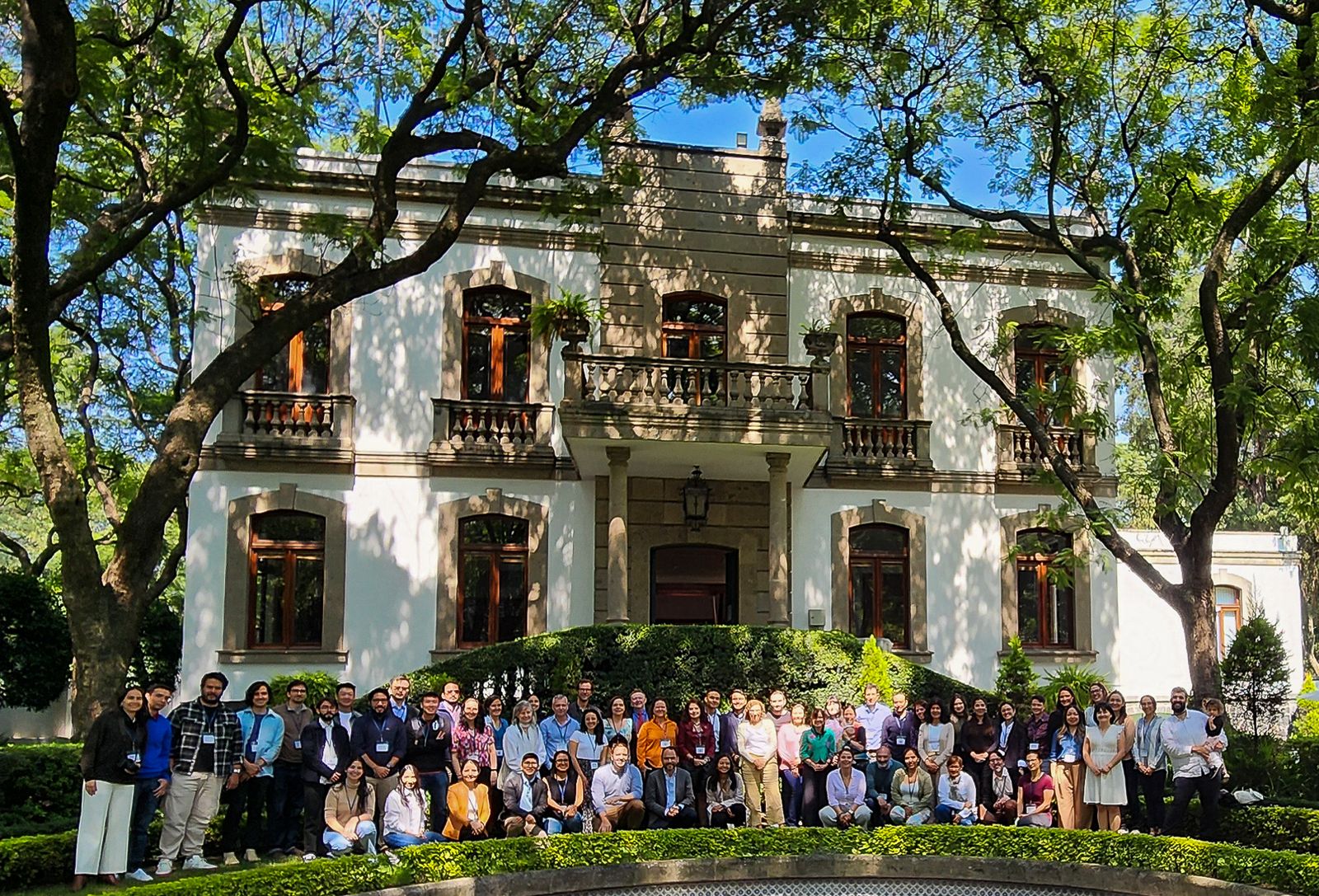
We bring together researchers at different career stages and from different disciplines, institutions, and countries across Latin America creating opportunities for knowledge exchange and shared learning. We seek to strengthen both individual skills and regional capacity to conduct and lead rigorous, locally relevant, and actionable research.
Regional leadership
and representation
Regional representation and engagement are fundamental principles of the SALURBAL approach. Researchers and institutions from across Latin America are represented throughout the project's leadership and governance structure, helping ensure that regional perspectives, expertise, and priorities inform the direction of our work.
This approach to leadership creates opportunities for researchers from across the region to contribute to strategic decision-making, take on leadership roles, build collaborations, and strengthen their experience in managing and advancing collaborative research.
Learn more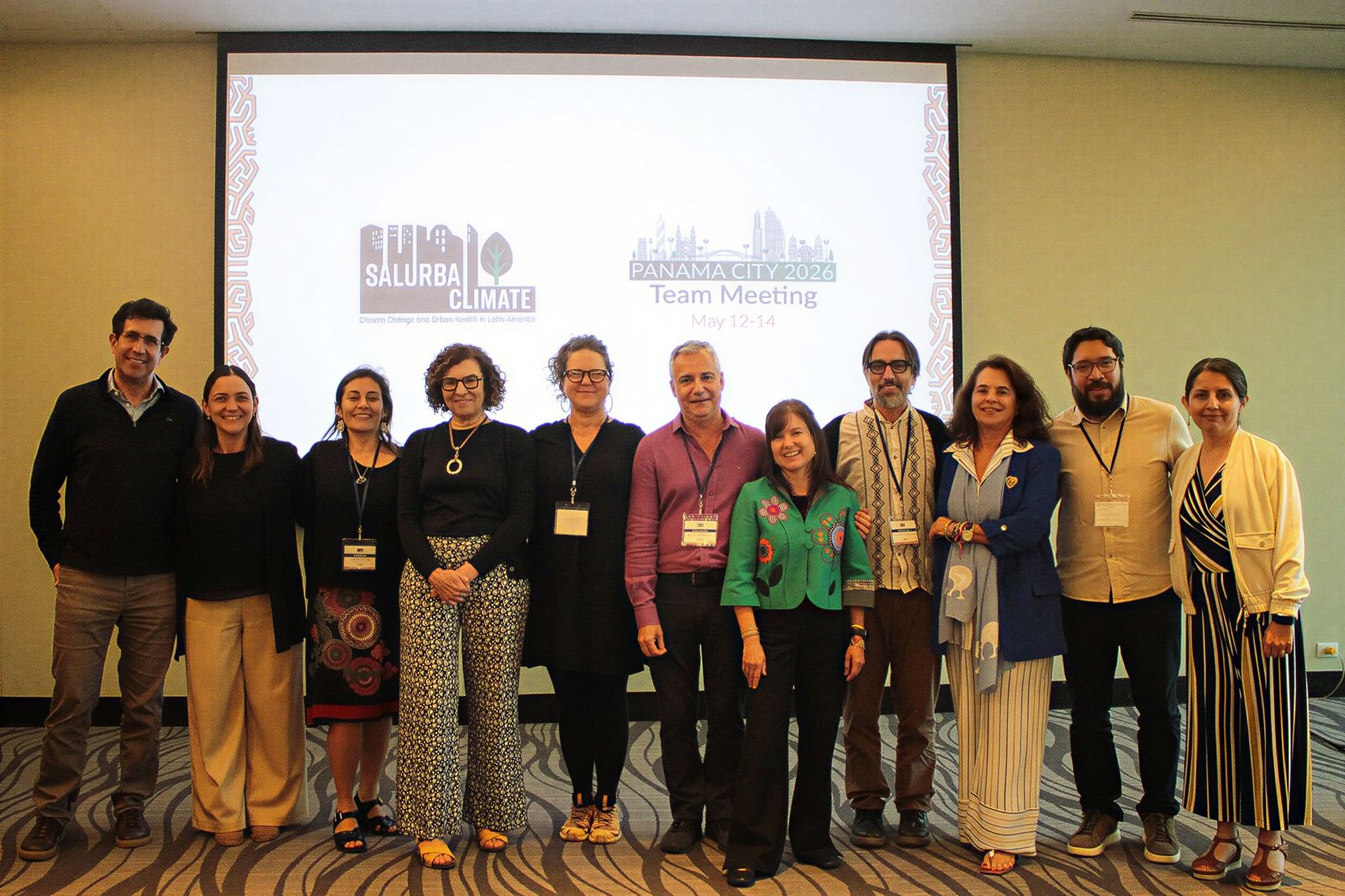
Building capacity through
active engagement

SALURBAL brings together researchers from across the region who contribute their expertise to the development, management, and analyses of our data.
All organizational components of the study (including teams working on data and methods, environmental and climate assessment, policy evaluation, and policy translation) actively engage trainees and junior investigators from across the region. Having local representation ensures that our research reflects and considers local knowledge, contexts, and priorities.
A structured publications review process, as well as multiple opportunities for exchange of new ideas and works in progress, ensures that junior investigators are supported as they advance through the research process.
Junior investigators make up a significant portion of our team. SALURBAL creates opportunities for junior investigators to lead scientific papers and play active roles across different project cores, working groups, and initiatives. These experiences provide opportunities to develop collaborative research and leadership skills while working alongside more experienced investigators.
Accessible and ongoing
learning opportunities
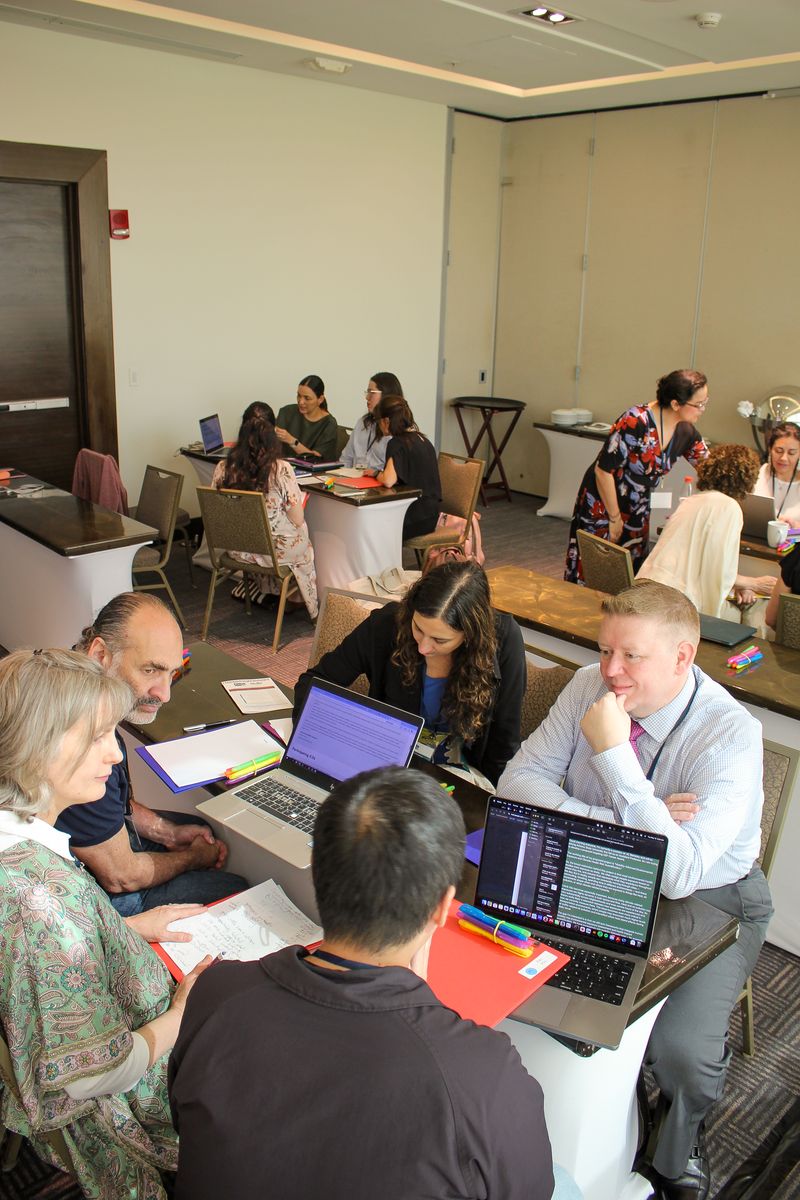
We complement collaborative research practices with a range of activities that provide continuous opportunities to develop skills, receive feedback, and exchange knowledge, including:
- Methods Working Group: Monthly group sessions to learn and discuss advanced methods for climate and health research
- Statistical Office Hours: 1:1 opportunities to discuss methodological and statistical questions and receive guidance on ongoing research
- Works in Progress meetings: Monthly, interactive sessions where team members practice presentations, present updates on research progress, and share feedback with peers
- Workshops and training activities: Interactive opportunities to build technical, methodological, and professional skills
- Internal peer review: A structured process through which researchers receive feedback on research proposals, manuscripts, and products from colleagues across the team
- Climate and Health Journal Club: Monthly opportunities to discuss scientific literature, explore methodological approaches, and learn from peers
- Webinars: Opportunities to disseminate our work and learn from researchers and experts working across disciplines and regions
Mentorship
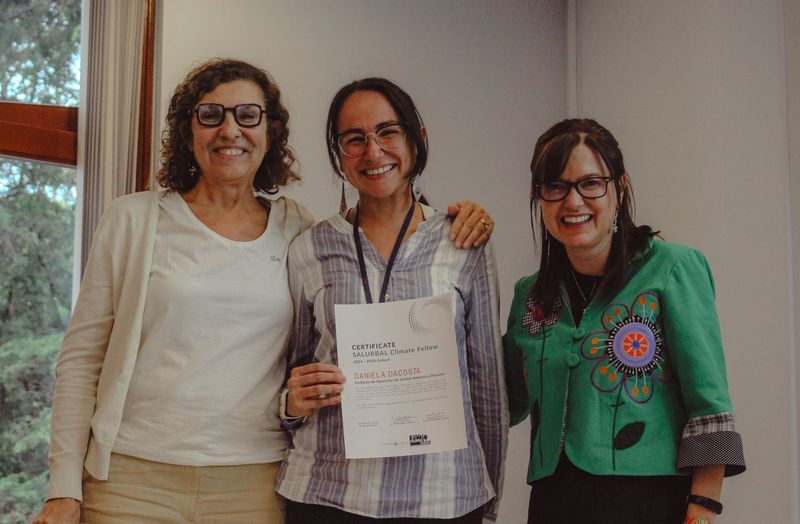
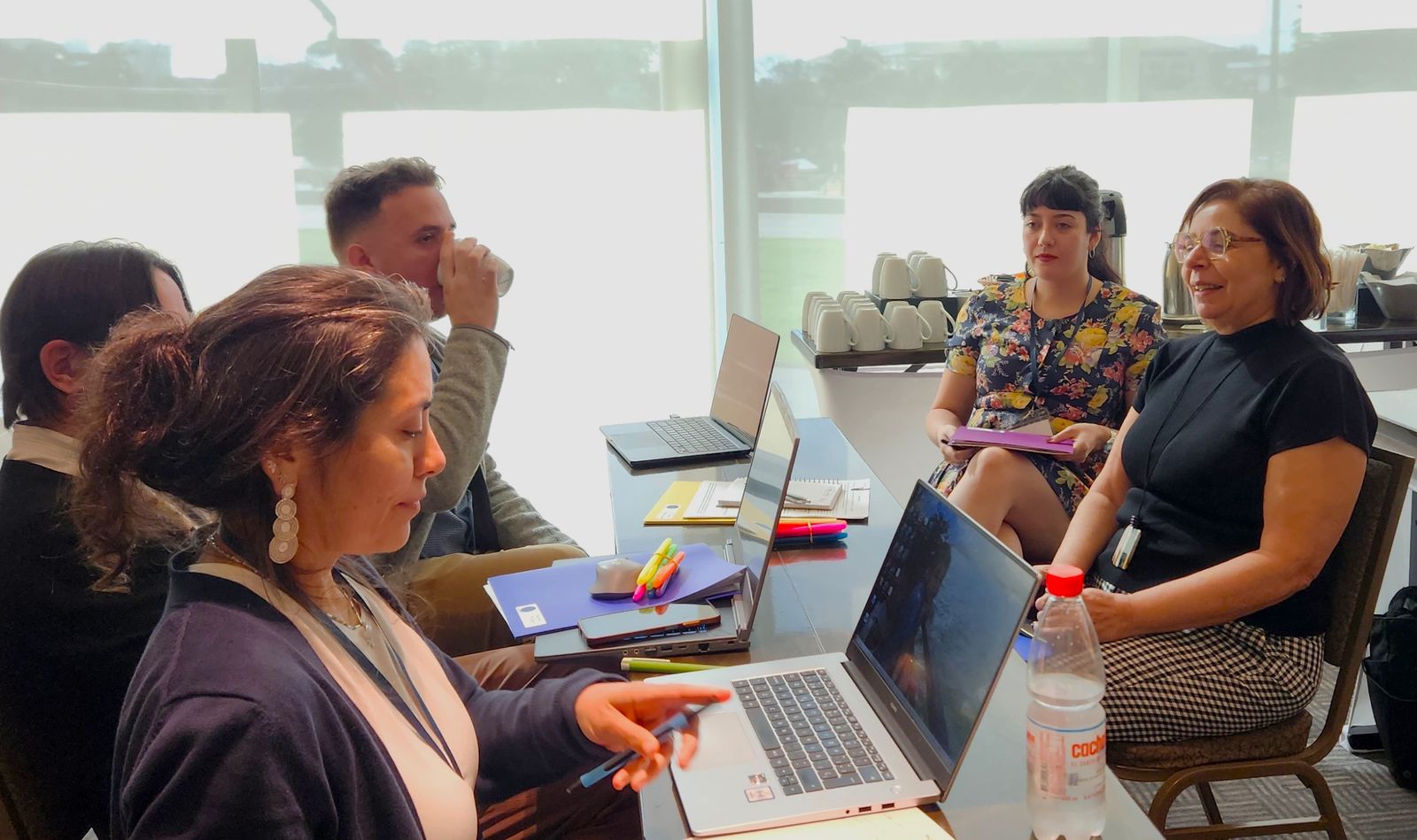
Mentorship is an important component of SALURBAL's approach to capacity strengthening. Mentorship occurs throughout all SALURBAL activities both formally and informally. In 2024, we launched the SALURBAL-Climate Mentorship Program, connecting junior researchers with more experienced members of the team to support research development, career planning, grant writing, methodological skills, and professional development. SALURBAL also creates other opportunities for formal mentorship through a structured publication development and review process, and by expanding opportunities for formal mentorship within and across participating countries linked to other SALURBAL activities. Mentorship also takes place informally throughout the network as researchers collaborate across institutions, countries, career stages, and disciplines.
Our mentorship activities complement formal training by providing opportunities for ongoing guidance, exchange, and relationship-building.